
In 2019, Crescer magazine published an article about the By Kids To Kids project, highlighting an initiative that already stood out for its simplicity and educational strength: turning drawings, stories and narratives created by students into animations.
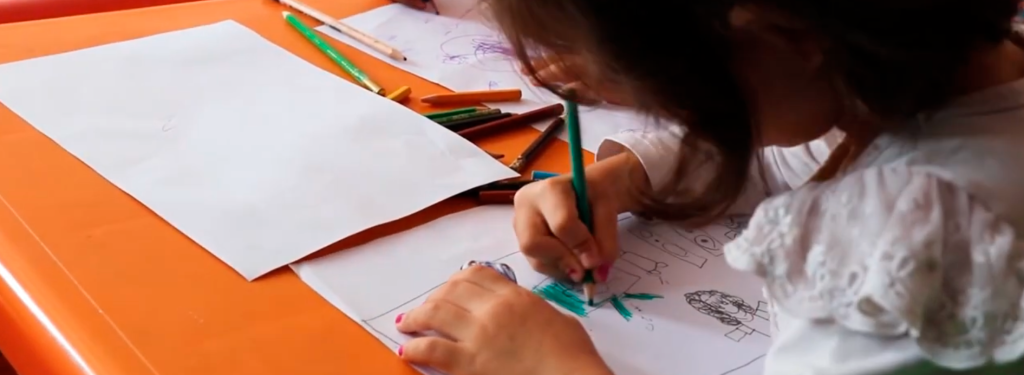
At the time, BKTK was already showing a different path for learning. The idea was to bring school content closer to children’s own language, allowing students to learn by creating characters, settings, dialogues and stories based on the subjects explored in the classroom.
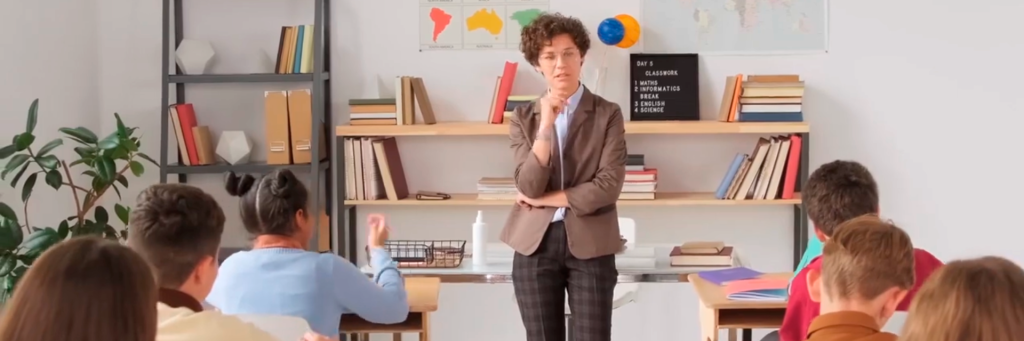
The proposal remains the same: the teacher presents a topic, the students turn that learning into a narrative, create the drawings, record their voices and, later, the material comes to life as an animation. What begins inside the classroom starts to circulate as the children’s own creative production.
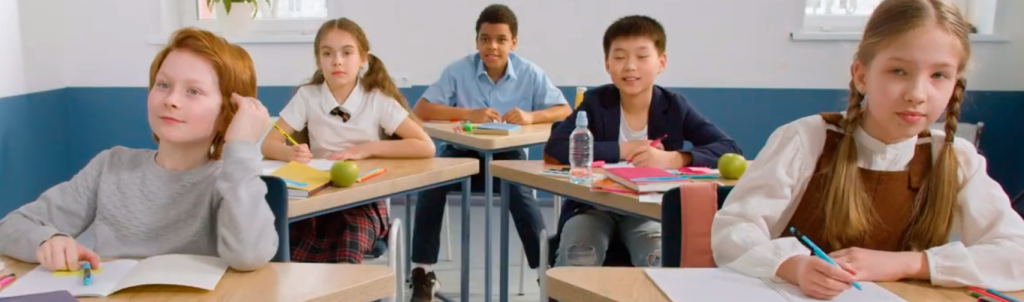
Since the publication of the article, the project has grown significantly. Today, By Kids To Kids has surpassed the mark of 5,000 animations produced, works with more than 150 partner schools, has impacted more than 100,000 students and has already trained more than 7,000 teachers.
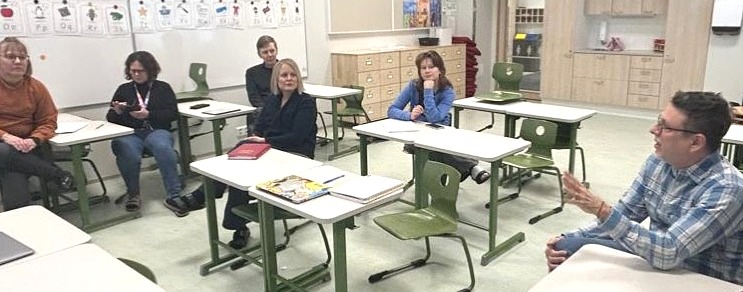
In addition, the project is also present in Finland, expanding its international reach and reinforcing the strength of a methodology that values creativity, listening and children’s protagonism.
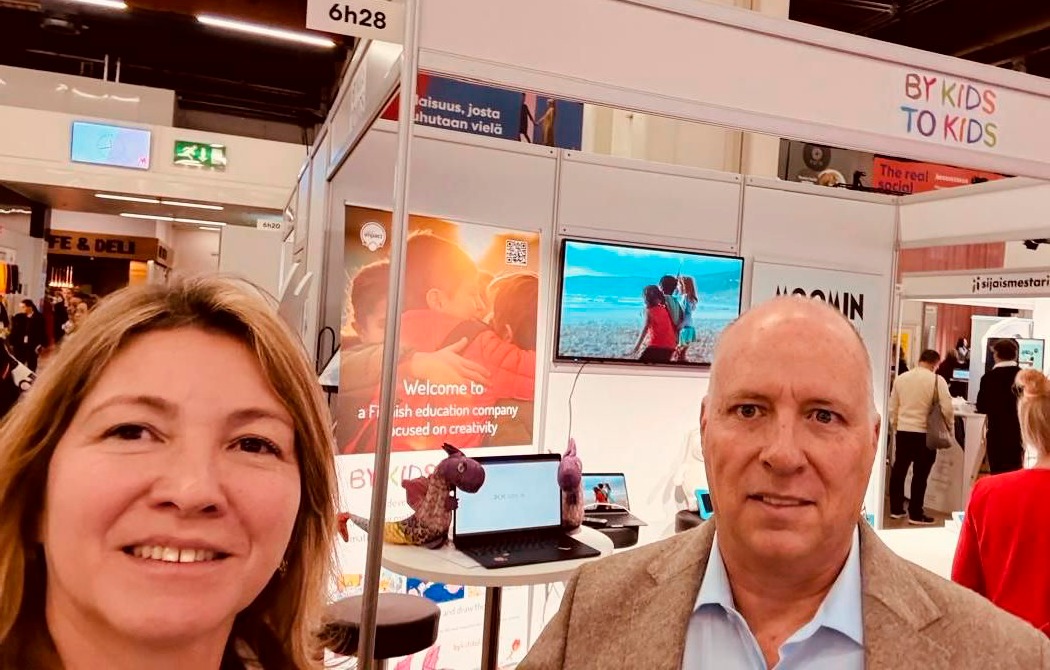
Another important development in this journey is EncicloKids, which already has more than 4,200 episodes. The initiative further expands the reach of knowledge produced with and for children, maintaining the commitment to transforming learning into an accessible, creative and lively language.

These numbers show that the methodology was not limited to a one-time experience. It has become established as a creative way to increase students’ engagement with school content, valuing different forms of language: verbal, visual, gestural and sound-based.
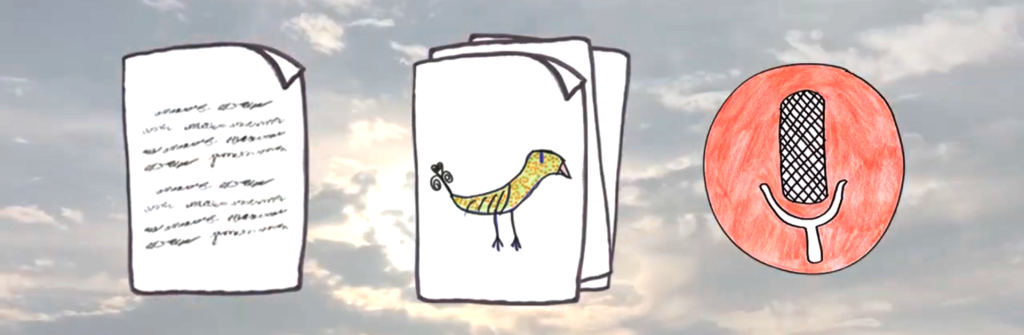
More than producing videos, BKTK proposes a change in the role children occupy in the learning process. They stop being only recipients of content and also become authors, narrators and creators. Knowledge no longer appears merely as something to be memorized, but as something that can be developed, told and shared.
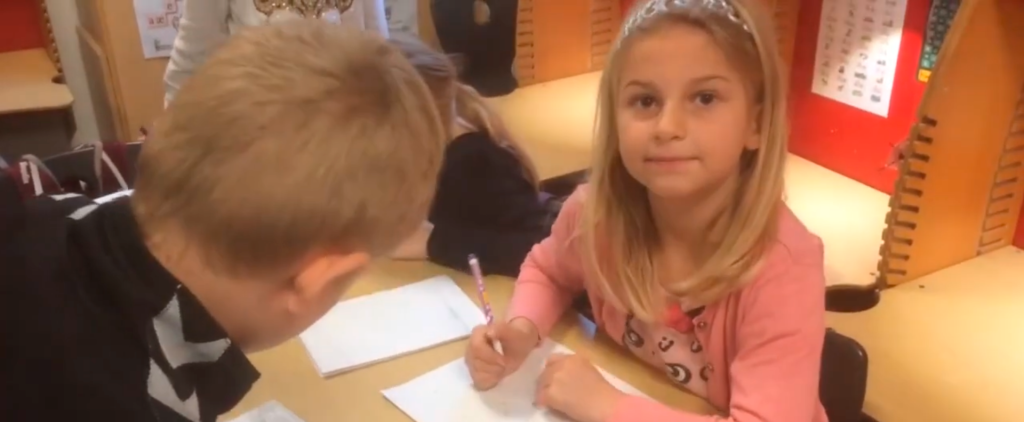
This process strengthens creativity, collaboration, communication and autonomy. By transforming what they learn into a story, children organize their thinking, broaden their forms of expression and create a more vivid relationship with the content.
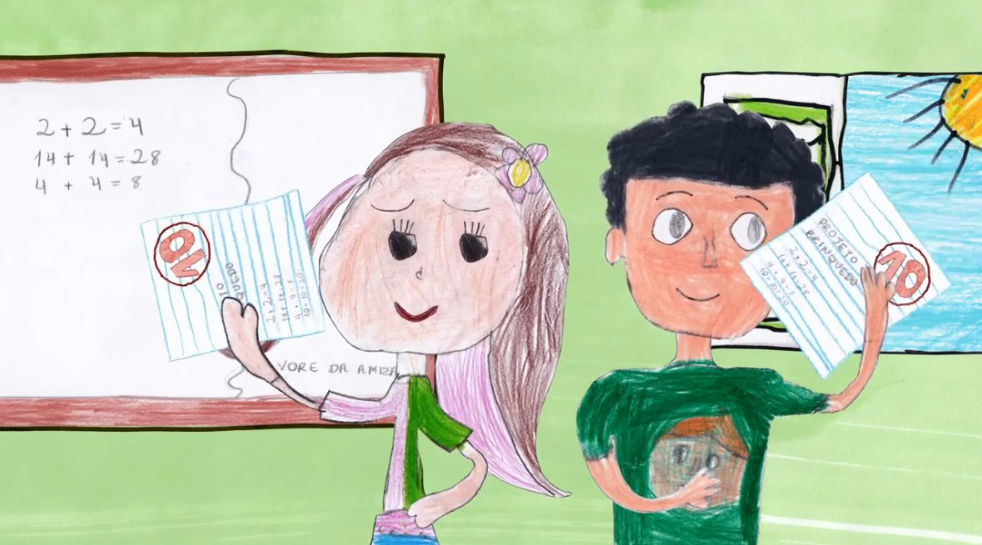
The article published by Crescer recorded an important moment in this journey. Today, looking at the path that has been built since then, it is possible to see that the initial proposal has gained scale, matured and continues to show that learning can also be an act of creation.