

Debate reaches classrooms through animated films
While 122 million girls remain out of school worldwide, according to data from the United Nations (UN), a Brazilian initiative is using technology and creativity to bring this debate to the center of children’s attention.
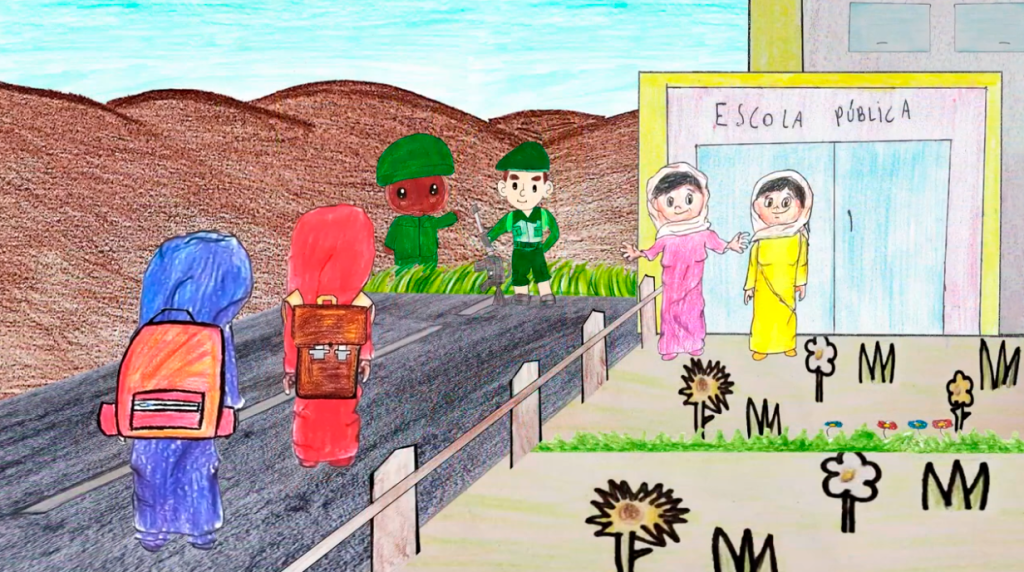
The BKTK project (By Kids To Kids) has been publishing animations on YouTube that discuss girls’ access to education and the overcoming of challenges, seen through the perspective of the students themselves.
Technology in the pursuit of rights
The methodology emphasizes student protagonism: through discussion circles, students create collective stories, develop drawings, and record the narrations for the productions. By combining language and technology, the project not only teaches about fundamental rights but also integrates the learning process with the development of social awareness from an early age.
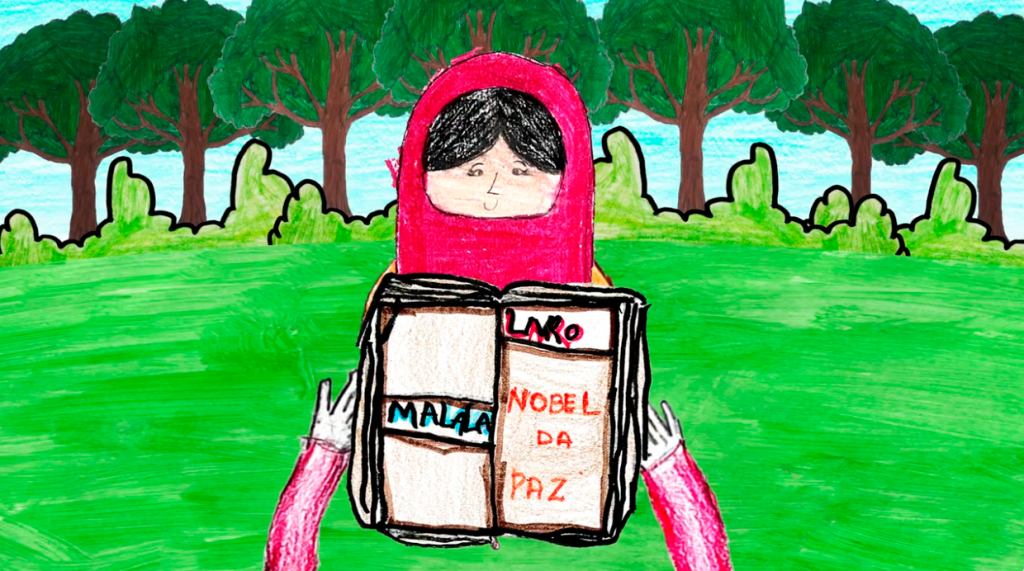
Among the productions is the audiovisual “Malala: the brave girl who won the Nobel Peace Prize” (2025), created by children aged 8 to 9, which introduces students to the story of Malala Yousafzai, a Pakistani activist internationally recognized for defending access to education and a Nobel Peace Prize laureate. Produced in a school environment, the video uses a playful narrative style to address freedom of choice, female representation, and fundamental rights from childhood onward.
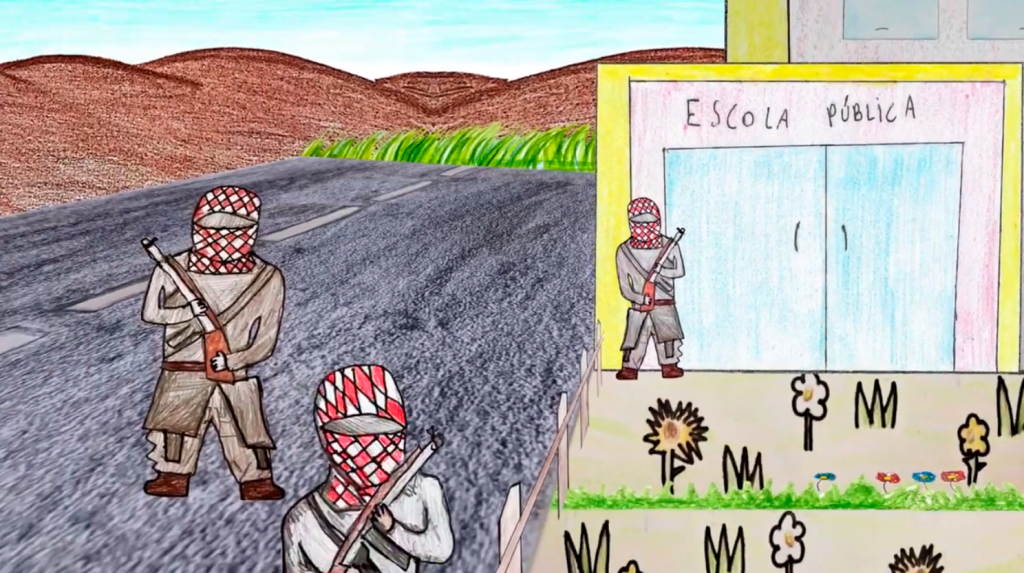
Another animation is “Zuri, the brave girl” (2025), produced by students aged 10 to 11, which tells the story of a girl born in a mountainous village in Afghanistan. The character describes the difficulties of attending school after the ban imposed by the Taliban regime and presents the alternatives she found to continue learning, reinforcing the idea that education is a right that must not be denied.
A child’s perspective on the world
According to education and creativity specialist Vitor Azambuja, CEO and one of the creators of BKTK, the project seeks to bring together children from different realities and transform their experiences, feelings, and perceptions into audiovisual narratives.
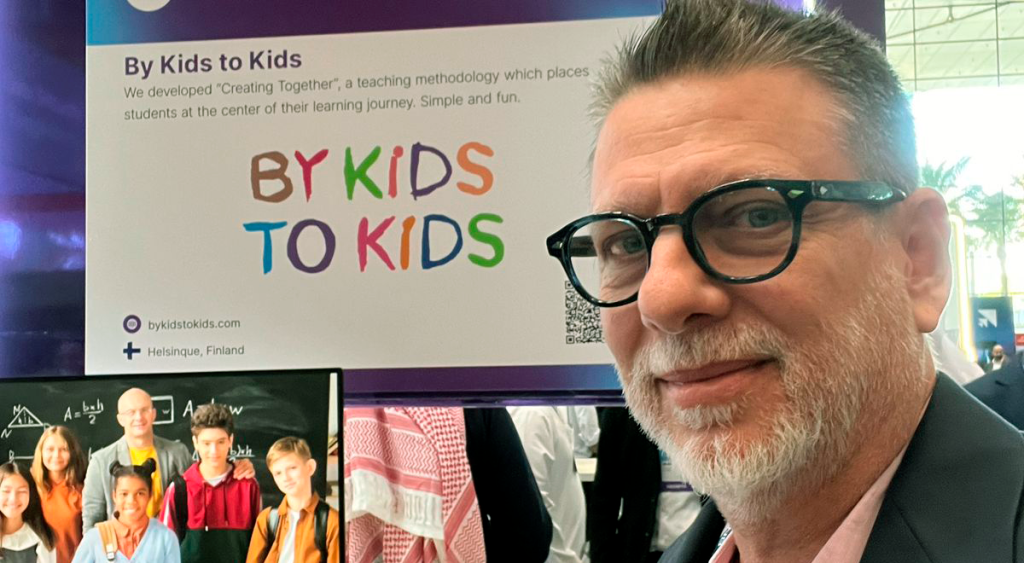
In his view, the videos authentically express a child’s perspective on the world. “These are productions created by children and they need to be encouraged to circulate in everyday family life, within the community, and across society. The construction of a fairer society begins with solid education from early childhood,” he says.
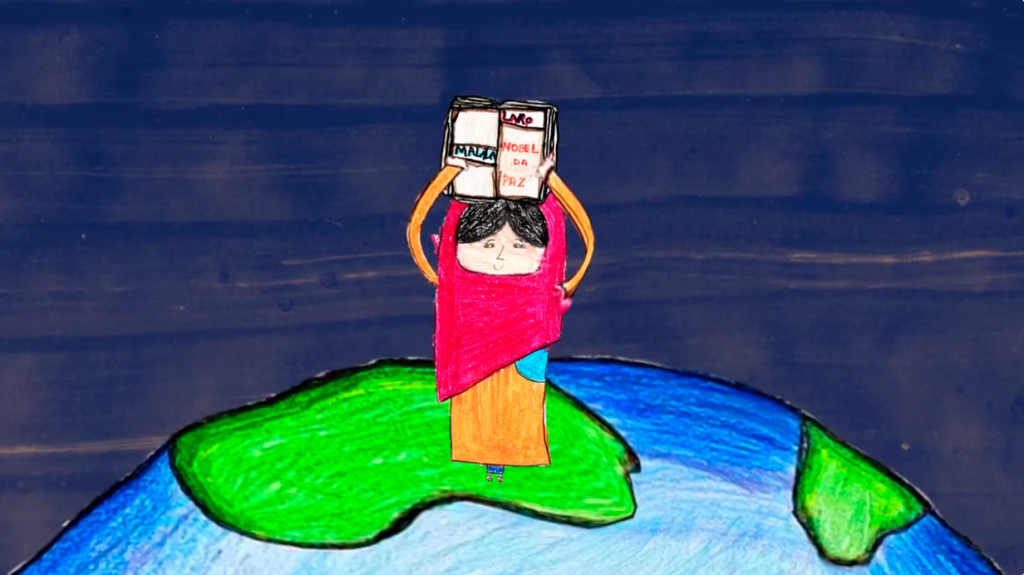
Vitor also emphasizes the need to ensure that children have the tools to become protagonists of their own stories and of social change. “An example of this is the animation that tells the story of Malala, who became a symbol of female resistance around the world. It is important that children pay attention to these meanings,” he adds.
Likewise, education and business specialist Gilberto Barroso, also CEO of DCPC, highlights that when female characters begin to occupy more space in educational materials, horizons expand. “Projects like By Kids To Kids show that complex topics, such as girls’ right to education and courage in the face of adversity, can be addressed from early childhood through accessible language and through the perspective of the children themselves,” he concludes.
Credit: André Nicolau — CNN Brasil (March 7, 2026).
Translation and adaptation: BKTK.
The original article can be read here: Link