

CEO Vitor Azambuja, one of the founders of By Kids To Kids (BKTK), gave an interview to Rádio Senado, a broadcaster affiliated with the Secretariat of Social Communication of the Federal Senate of Brazil, to discuss mathematics learning in Brazilian schools.
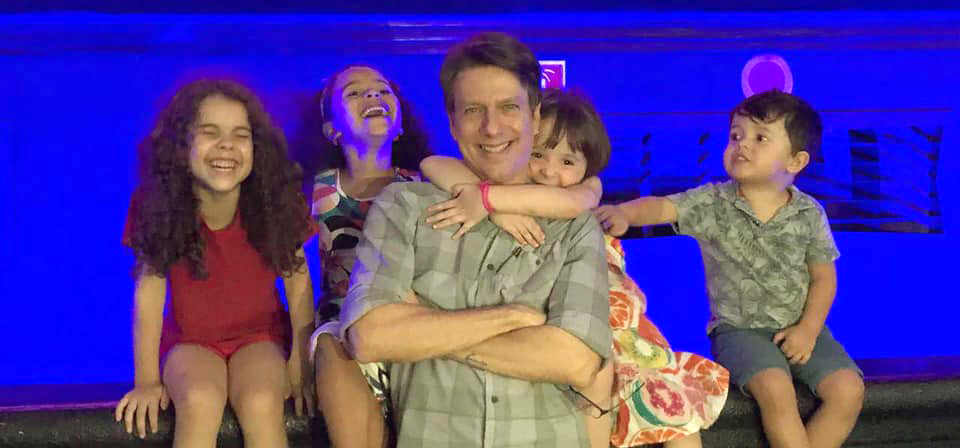
Mathematics, Student Protagonism and AI: Vitor Azambuja’s Interview on Rádio Senado
In a context still marked by the echoes of the pandemic, Vitor highlighted a central issue: teaching that is excessively focused on rules has been generating a fear of making mistakes — and fear leads to a lack of interest, especially in mathematics.
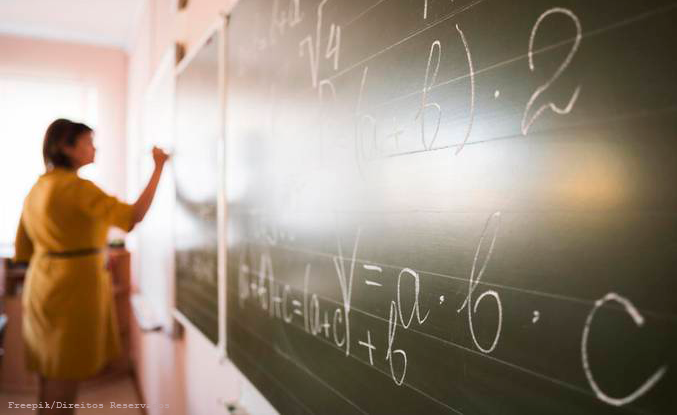
According to him, when students are exposed only to calculations and formulas, without context or active participation, the process becomes tedious. This is even more critical in classes of 11-, 12-, and 13-year-olds, who naturally need interaction, challenge, and creativity.
Technology and AI: Ignoring It Is Not an Option
The interview also addressed the role of technology in education.
Vitor was clear: Artificial Intelligence is here to stay. Ignoring it makes no sense. Teachers need to understand how it works and learn how to use it as a support tool in the learning process.
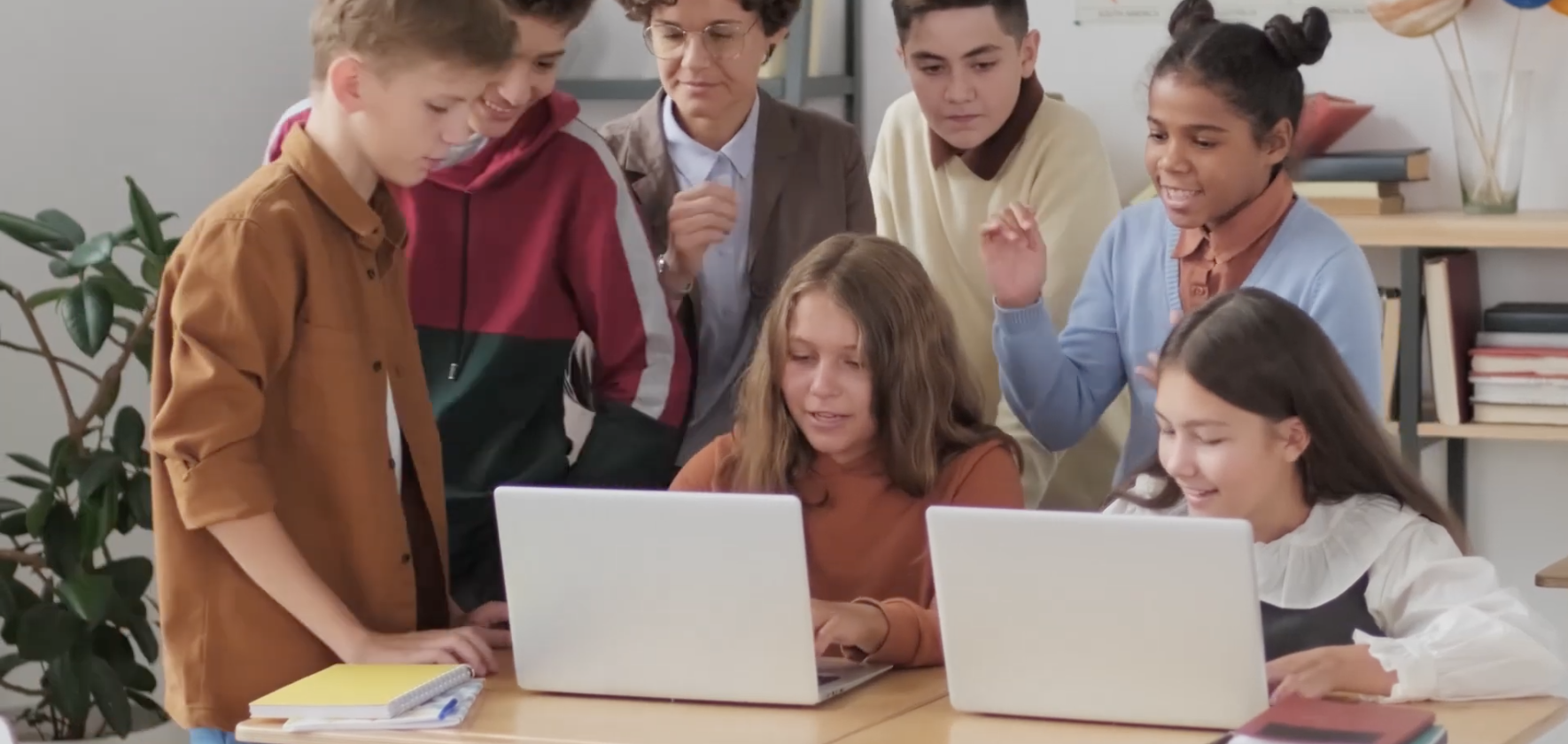
However, there is an essential point: AI does not replace student protagonism. It should support learning, never eliminate critical thinking, attentive reading, or the ability to reflect.
Technology is a means. The student remains at the center.
Narrative, Creativity and Mathematics
One of the most striking moments of the interview was the practical explanation of how to integrate mathematics and creativity.
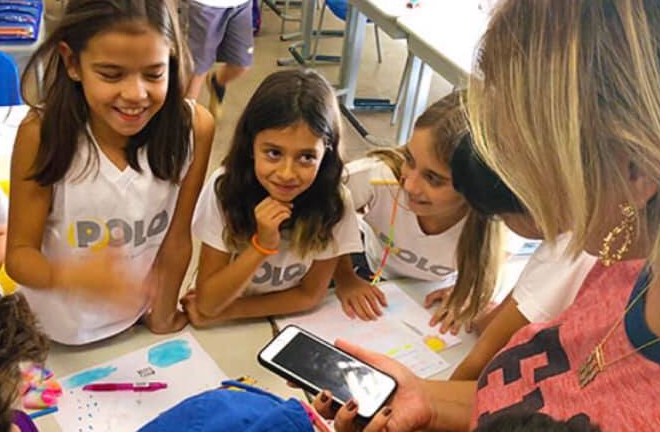
In the De Criança Para Criança model, students:
• Create a story based on a mathematical problem.
• Develop the visual elements of that narrative.
• Work collaboratively, exchanging ideas and learning from one another.
• Narrate their own story.
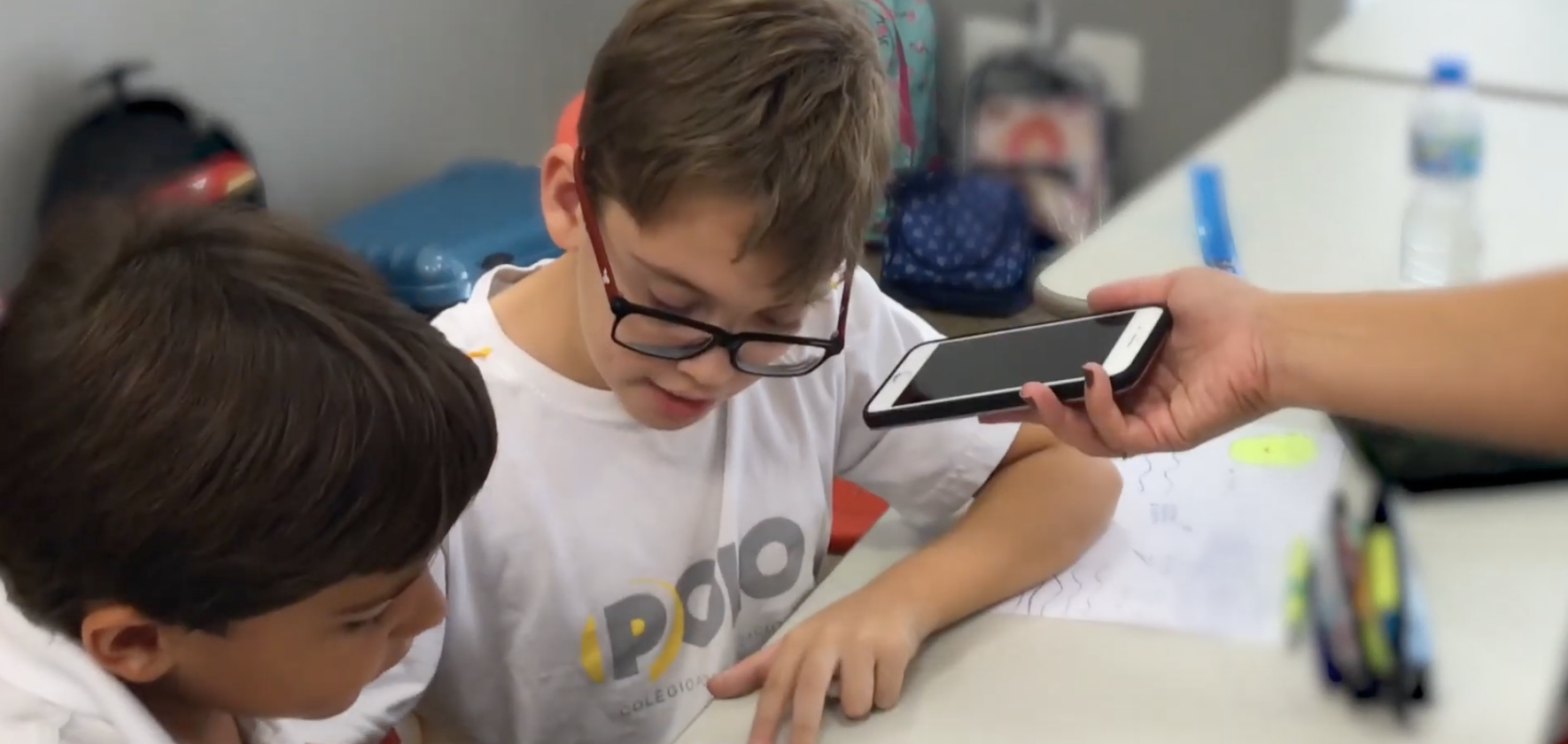
In this process, leadership, collaboration, and real understanding of the content emerge. A student who struggles with addition, for example, may understand better by participating in a creative brainstorming session with classmates. Mathematics stops being just calculation and becomes a collective construction of meaning.
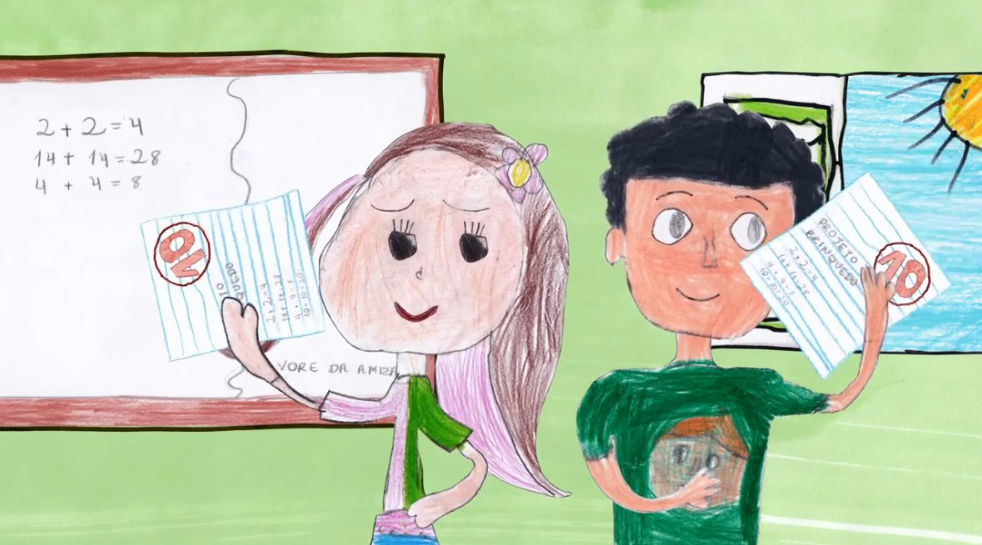
Afterwards, the teacher sends this material to BKTK, which transforms it into an animation. The result is a complete cycle: research, creation, interpretation, and expression — in a language the student understands.
An International Perspective
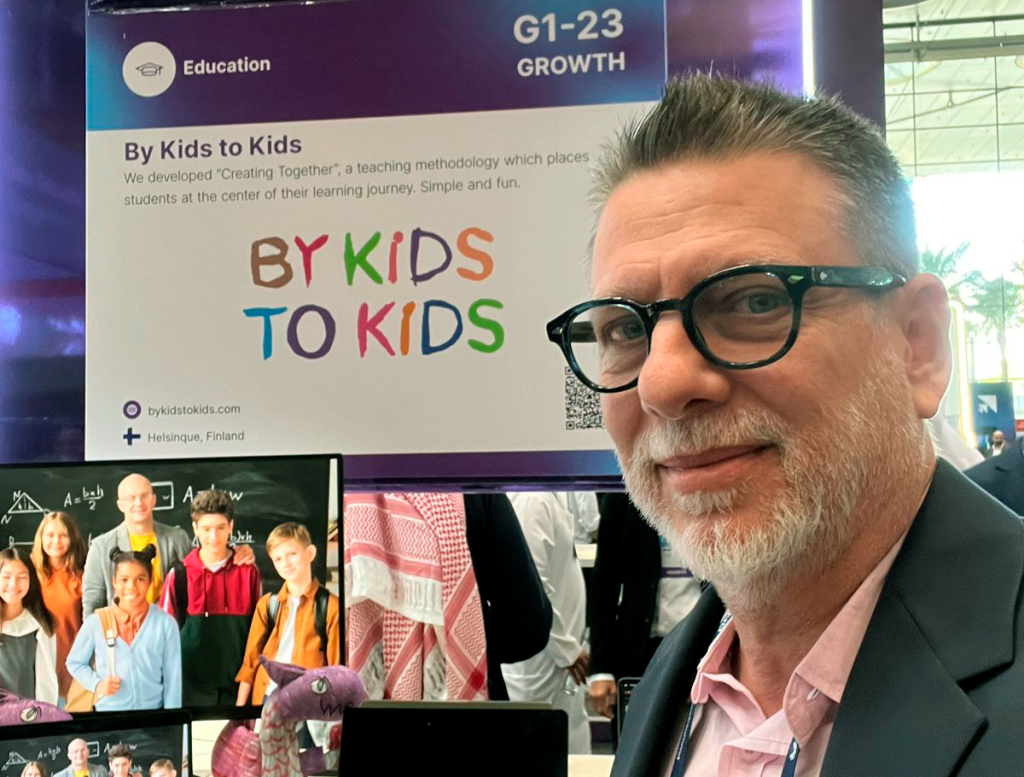
Vitor also mentioned experiences in countries such as Finland, where education prioritizes playfulness and creativity. The logic is simple: if children are naturally creative, placing them only in the role of passive learners no longer works.
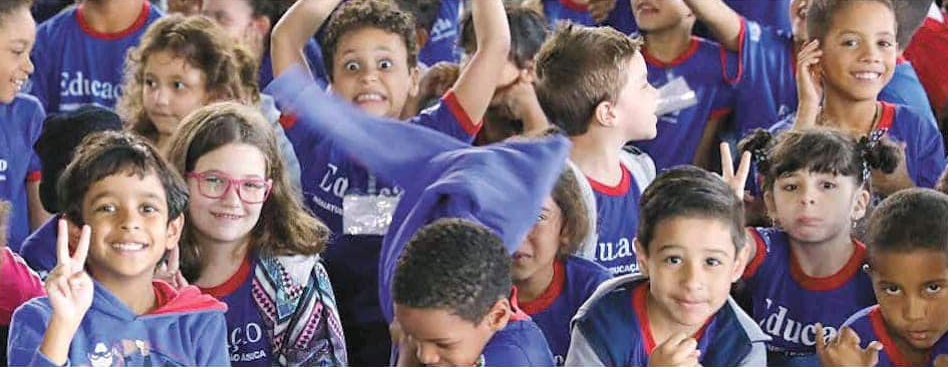
The future of education is not about transmitting information. It is about creating learning experiences in which students build, interpret, and communicate knowledge.
To listen to the full interview on Rádio Senado, access the available link.